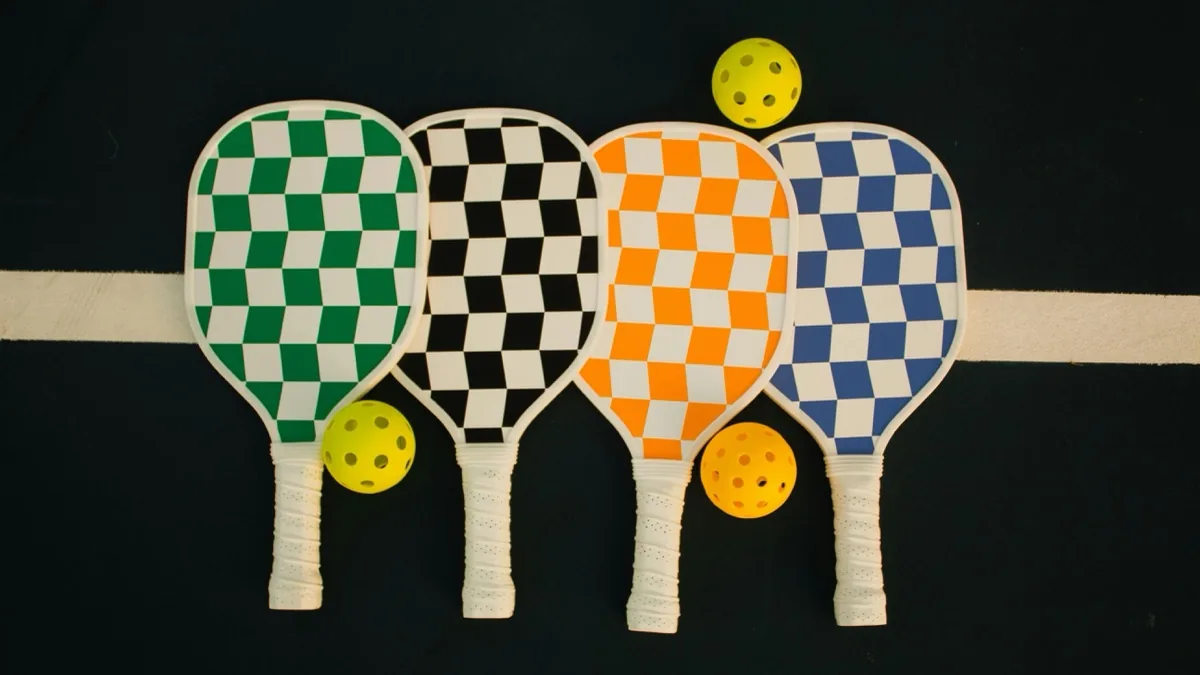
The Side-by-Side Comparison That Changed My Mind
I played with both paddles for months, switching between them during the same sessions. The differences were obvious.
Mishits Felt Better with Composite
When I hit the ball off-center with the carbon fiber paddle, it felt harsh. Like hitting a rock.
Same mishit with the composite paddle felt softer. Didn't sting my hand or send the ball flying in weird directions.
Since I'm not perfect and hit plenty of off-center shots, this mattered more than I expected.
Touch Shots Were Easier
The carbon fiber paddle was too responsive for my skill level. Every tiny movement translated to the ball.
Trying to hit soft dinks was like trying to write with a racing pen. Too sensitive.
The composite paddle had enough give that I could actually control my soft shots. Game changer for net play.
My Arm Felt Better After Long Sessions
Both paddles weighed about the same, but the composite felt less jarring on impact.
After two hours with the carbon fiber paddle, my elbow would ache. Same session with the composite paddle? No issues.
The vibration dampening made a bigger difference than I thought it would.
Composite Paddle Categories
Composite paddles come in various designs to match different playing preferences and skill levels.
Entry-Level Composite
Paddles in the $50-80 range offer solid performance for recreational players. Look for polymer cores with fiberglass faces from established brands for the best value.
Mid-Range Performance
$80-120 composite paddles often feature advanced core designs, better construction quality, and improved surface textures. These represent the best value for serious recreational players.
Premium Composite Designs
High-end composite paddles incorporate advanced materials and construction techniques that approach carbon fiber performance while maintaining the forgiving characteristics of fiberglass.
Choosing the Right Composite Paddle
With hundreds of composite options available, focus on the specifications that matter most for your playing style and skill level.
Weight and Balance Considerations
Most players benefit from 7.8-8.2 oz composite paddles with standard shapes. Lighter options work for players with arm issues, while heavier models suit aggressive players.
Core Material Importance
Polymer honeycomb cores provide the best combination of touch, sound, and durability in composite paddles. Avoid aluminum cores unless you specifically want more responsive feel.
Surface Texture and Spin
Look for textured fiberglass surfaces that provide moderate grip without being overly aggressive. Smooth surfaces limit spin potential, while overly rough surfaces wear out quickly.